Reading vineyard value beyond price
Price provides a framework, but estate value comes from the balance between terroir, facilities, image, commercial potential and time.
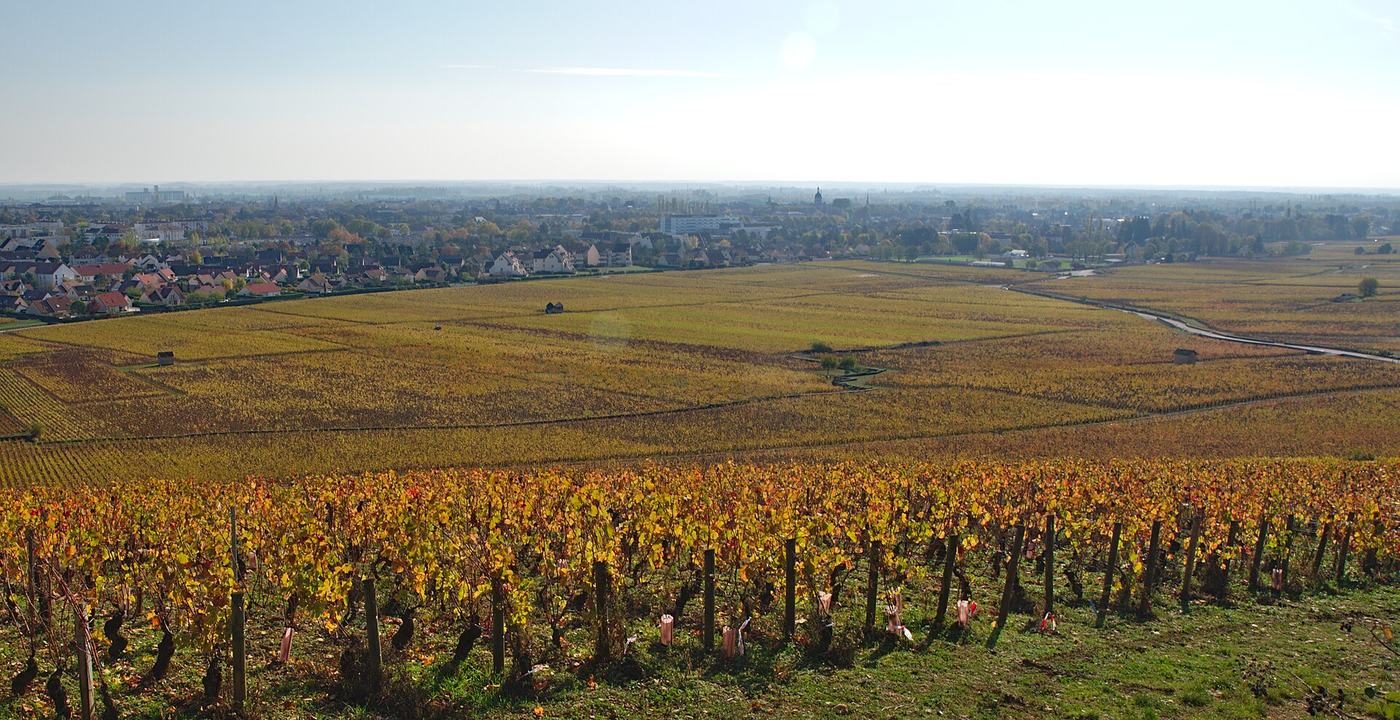
Price is only a starting point
In vineyard real estate, price provides an indication, sometimes a direction, but rarely a complete truth. Two estates of comparable size can carry very different values depending on appellation quality, parcel coherence, facilities, commercial visibility or the ability of the place to tell a story.
Reading the value of a vineyard therefore requires going beyond a simple price-per-hectare comparison. One must look at what produces, what protects, what distinguishes and what can be passed on.
Land, water and exposure
A terroir is read through details: slope, altitude, exposure, soil type, climate risks, parcel access, water availability and the quality of the surroundings. These elements do not always appear in a short listing, yet they determine how a project can settle over time.
Value often comes from this coherence that is not immediately visible. A grouped, legible and well-positioned estate can offer a working fluidity that a larger number of hectares will not always compensate for.
Facilities and image
The winery, buildings and house should not be considered separately from the vines. They form the daily working tool, but also the first image of the estate. A sober and functional building can be a strength; a remarkable house can open a hospitality project; an existing brand can accelerate the takeover or require delicate reinvention.
The central question becomes simple: is the estate merely an operation to take over, or does it already carry a signature capable of appealing to a market, visitors, partners or a family?
The buyer's long view
Buying a vineyard means buying a present reality and a horizon. Some properties require immediate upgrading; others offer a sound but under-valued base; a few already bring together land, facilities and story. The right reading distinguishes the asking price from the work required to reveal the estate's real value.
It is in this distance between current condition and credible potential that the decision often lies. Value is not only what one pays; it is what the place allows one to build patiently.