Confidentiality in premium vineyard listings
In vineyard property sales, confidentiality protects the place and reserves sensitive information for qualified buyers.
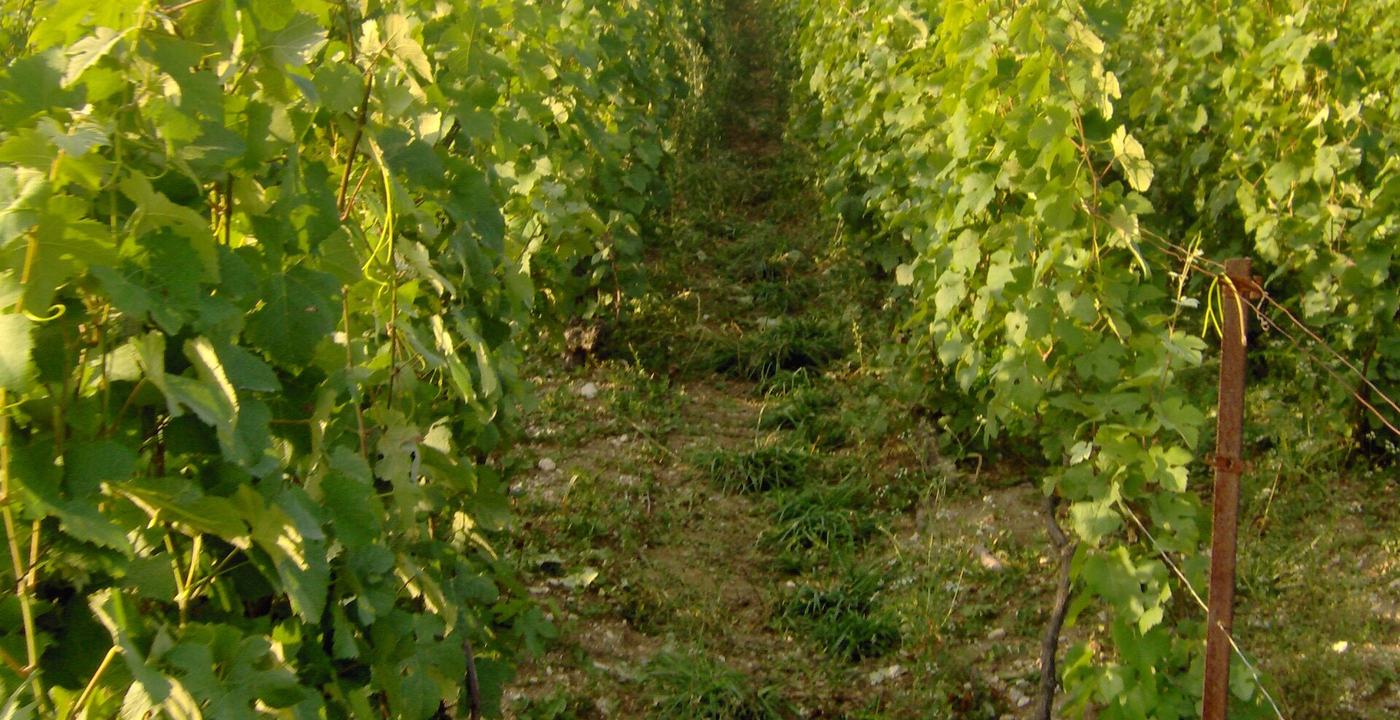
A vineyard is not an ordinary asset
Selling a wine estate is not only selling hectares, a winery and a house. It can mean transferring a name, customers, a team, an address, a local history and a way of inhabiting the landscape. This is why some listings remain deliberately discreet.
Confidentiality does not mean that information is missing. It means that information is organised. It protects the seller, avoids unnecessary curiosity and reserves sensitive details for buyers who are able to understand the project.
Saying just enough
A premium listing should provide enough substance to create a genuine enquiry: region, property type, areas, operating potential, general building condition, project orientation, price level or communication conditions. It should also know what to leave unsaid when details could identify the estate too quickly.
It is a subtle balance. Too little information discourages serious buyers; too many details expose the place unnecessarily. Between the two, editorial writing can establish a first level of trust.
Qualifying enquiries
The confidential file comes next. It allows the conversation to go further with genuinely engaged people: private buyers, operators, family groups, trading houses or wine tourism project leaders. At that stage, confidentiality becomes a tool for better relationships.
A good process avoids scattered exchanges. It gives the seller control over timing and gives the buyer the information needed to decide whether to visit, study further or step back.
Protecting the place in order to pass it on
Discretion is not distance; it prepares a more appropriate meeting. It preserves the dignity of the estate, the peace of the team and the seller's ability to move forward without unnecessary noise.
In high-end vineyard transactions, this restraint is part of the value. It presents a place with elegance, without reducing it to an address revealed too soon.